The universe we observe today can be traced back to a moment over 13 billion years ago—a moment known as the Big Bang. This cosmic explosion marked the beginning of space, time, and matter. While the event itself is hidden in the depths of time, the remnants of the Big Bang linger on in the form of the Cosmic Microwave Background (CMB) radiation.
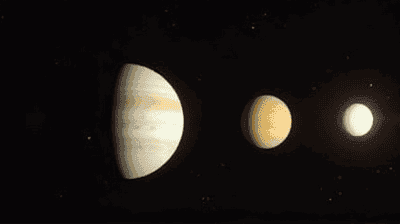
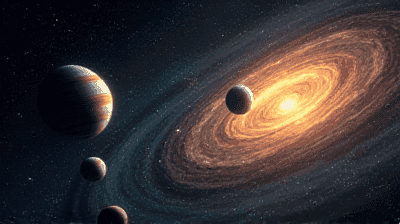
For centuries, humanity's quest to explore the cosmos has been driven by curiosity and a desire to understand our place in the universe. As we gaze into the night sky, we are often reminded of the vastness and complexity of the solar system we inhabit.
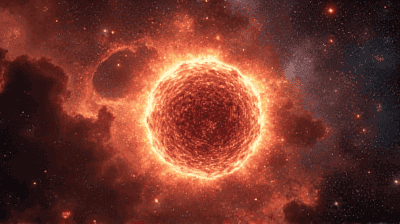
The universe is a vast and mysterious place, home to countless phenomena that challenge our understanding of physics, matter, and the origins of the elements we encounter every day. Among these phenomena are neutron stars, the remnants of massive stars that have undergone supernova explosions.
As the global population continues to grow and technological advancements push the boundaries of resource consumption, the quest for sustainable solutions to Earth's resource problems intensifies.
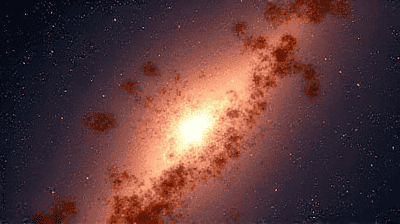
The cosmos is vast and filled with intricate structures, from the smallest galaxies to the largest galaxy clusters. Understanding how these structures form and evolve over time is a fundamental pursuit in cosmology, the study of the universe's origin, evolution, and ultimate fate.
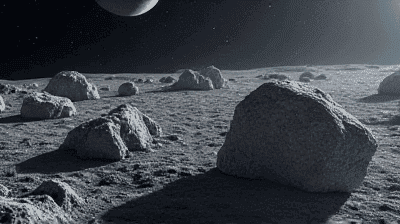
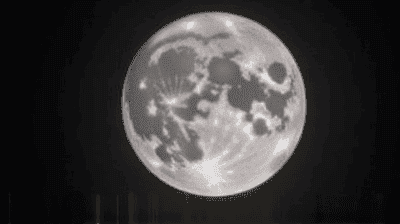
The Moon, Earth's only natural satellite, has captivated humanity for millennia. Its presence has inspired countless myths, legends, and artistic works, playing a crucial role in the cultural and scientific development of civilization.
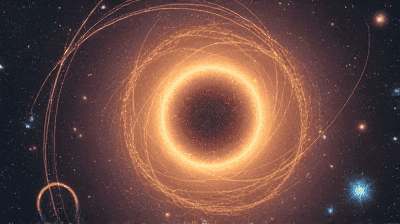
In the vast cosmos, a mysterious substance eludes direct detection while profoundly influencing the structure and evolution of the universe. This elusive entity is known as dark matter, a form of matter that does not emit, absorb, or reflect light, making it invisible to traditional observational techniques.