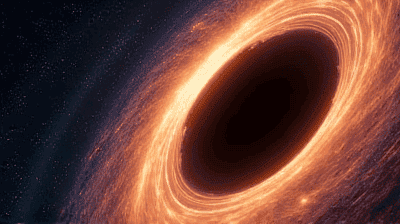
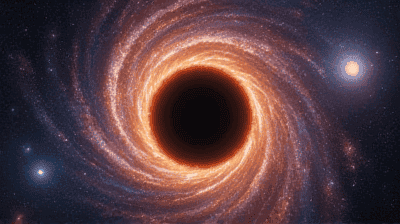
Black holes have long fascinated scientists and the public alike, embodying some of the most extreme conditions in the universe. From their mysterious formation to their incredible gravitational pull, black holes challenge our understanding of physics and the nature of reality itself.
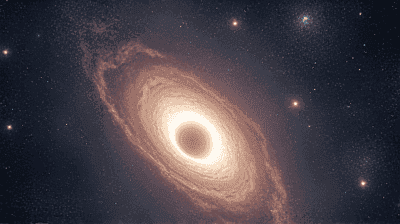
Black holes have long intrigued scientists and astronomy enthusiasts alike. These mysterious entities—particularly supermassive black holes located at the centers of galaxies—are not just fascinating cosmic objects; they play a crucial role in shaping the structures and dynamics of entire galaxies.
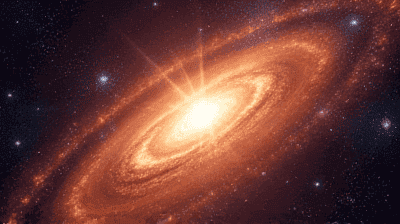
In the vast expanse of the universe, some celestial phenomena shine more brilliantly than others, capturing the attention of astronomers and the public alike. Among the most fascinating of these phenomena are quasars, the extraordinarily luminous cores of distant galaxies powered by supermassive black holes.
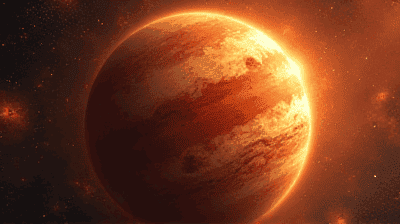
As humanity sets its sights on Mars, the Red Planet presents an exhilarating opportunity for exploration and discovery. The prospect of human missions to Mars captivates the imagination, promising to unlock the secrets of our neighboring planet and potentially usher in a new era of space exploration.
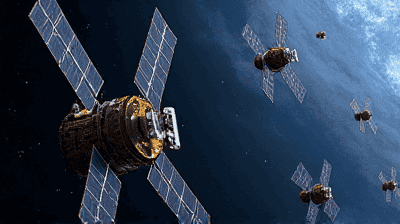
In recent years, the night sky has begun to look different than it ever has before. The proliferation of satellite swarms—groups of satellites operating together for various purposes—has profoundly transformed the field of astronomy and our understanding of the universe.
In the realm of theoretical physics and astronomy, the imagination often stretches into the unknown, leading to the development of concepts that challenge our understanding of the universe. Among these fascinating concepts is the idea of white holes, the hypothetical counterparts to black holes.
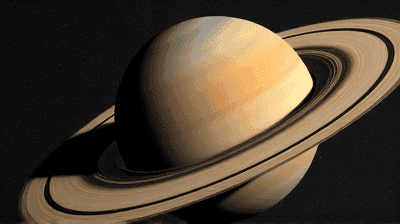
Saturn, the magnificent jewel of our solar system, has long fascinated astronomers and casual stargazers alike. Its striking rings, composed of ice, rock, and dust, are one of its most defining features and a testament to the dynamic processes at work in planetary systems. Despite their breathtaking beauty, recent research reveals a striking reality: Saturn's rings are disappearing.