The dawn of the 17th century marked a pivotal moment in human history—the emergence of the Scientific Revolution. This transformative period reshaped humanity's understanding of the cosmos, laying the groundwork for modern science.
The universe is vast, containing billions of galaxies, each with millions or even billions of stars, many of which are likely to have planets capable of supporting life. Given these staggering numbers, the question that emerges is: Where is everybody?
In the annals of computer history, the story often revolves around groundbreaking innovations, visionary engineers, and the machines that changed the world. However, a significant chapter remains largely untold: the critical contributions of women who played vital roles in the development of early computing systems, particularly the Electronic Numerical Integrator and Computer (ENIAC).
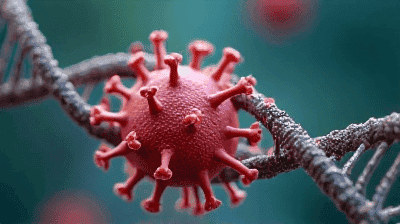
The advent of CRISPR technology has sparked a paradigm shift in the field of genetics and biotechnology, opening up unprecedented possibilities for gene editing and manipulation. While CRISPR holds the promise of curing genetic diseases and advancing medical science, it also poses profound ethical questions, particularly when it comes to editing human embryos.
The rapid advancement of artificial intelligence (AI) presents both remarkable opportunities and profound risks. As we approach the possibility of superintelligent AI—intelligence that surpasses the best human minds in practically every field—we face critical questions about its nature and implications.
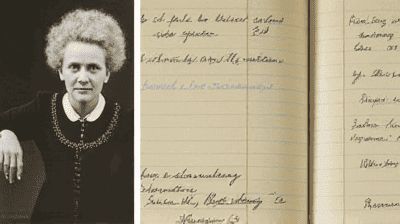
Marie Curie is often celebrated as one of the most notable scientific pioneers of the 20th century. Best known for her groundbreaking research on radioactivity—a term she coined—Curie's work laid the foundation for advancements that would transform medicine, energy production, and our understanding of atomic science.
The transformation of alchemy into modern chemistry is one of the most fascinating stories in the history of science. Alchemy, often romanticized as the quest to turn base metals into gold and discover the elixir of life, is frequently dismissed as a pseudoscience.