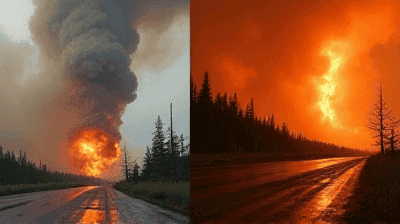
Climate change represents one of the most significant challenges facing our planet today. As global temperatures rise and weather patterns shift, the ecological environments that sustain life are increasingly threatened. Within this complex web of interactions, the concept of "tipping points" arises—a crucial idea to understand in order to navigate the potential collapse of ecosystems.
In today's consumer-driven society, the phrase "fast fashion" has become synonymous with rapid clothing production and consumption. This phenomenon has transformed the fashion industry, making trendy styles more accessible than ever.
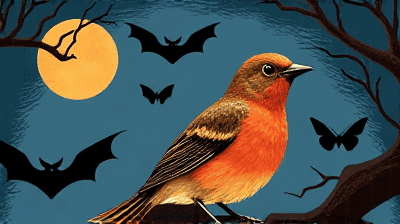
Pollinators are essential to the health of our ecosystems and the global food supply. They enable the reproduction of approximately 75 percent of flowering plants, including many crops that humans rely on for food. Among the most effective and well-known pollinators are birds, bats, and butterflies.
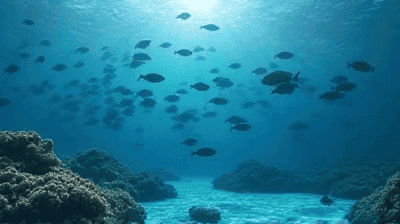
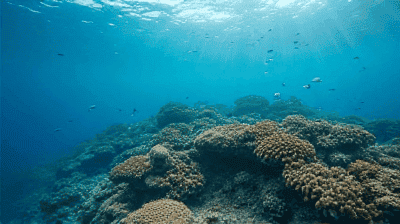
Coral reefs are often referred to as the "rainforests of the sea" due to their incredible biodiversity and vital ecological functions. These vibrant underwater ecosystems support a vast array of marine life, including fish, mollusks, sea turtles, and countless other organisms. However, coral reefs are facing unprecedented threats that may lead to their collapse.
In recent years, the concept of a circular economy has gained traction as a transformative approach to rethinking our economic systems. Unlike the traditional linear economy, which follows a "take, make, dispose" model, a circular economy seeks to redefine the way we design, produce, and consume goods.
As the urgency to combat climate change intensifies, the world is increasingly turning to renewable energy sources such as solar and wind power. These energy forms are often touted as environmentally friendly alternatives to fossil fuels, promising to reduce greenhouse gas emissions and pollution.
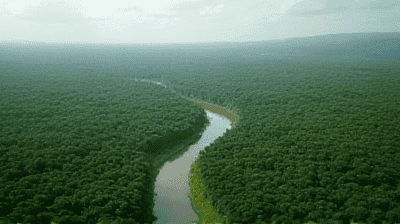
The Amazon rainforest, often referred to as the "lungs of the Earth," is one of the most biodiverse ecosystems on our planet. Covering over 5.5 million square kilometers across nine countries, the Amazon is home to approximately 10 percent of all known species.