In recent years, the term "ultra processed foods" has entered the mainstream conversation about diet and health. As food scientists, nutritionists, and public health experts continue to investigate the effects of these products on human health, a clearer picture is emerging.
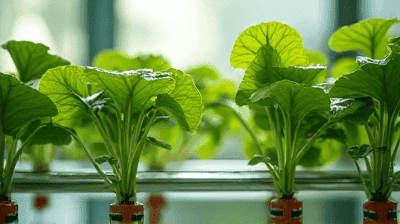
As the world grapples with the challenges of feeding a growing population while combating climate change, sustainable farming methods have emerged as viable solutions. Among these methods, aquaponics and hydroponics have gained significant attention for their potential to produce food efficiently while minimizing environmental impact.
In the world of agriculture, the idea that some plants can thrive better when grown in proximity is not just folklore; it is a science-backed practice known as companion planting. This time-honored technique has been used for centuries across cultures and regions, promoting healthier plants and more productive gardens.
The agricultural industry faces numerous challenges, one of the most pressing being pest infestations. These pests can severely impact crop yields, leading to economic losses for farmers and food insecurity for communities.
The quest for optimal health has become a driving force in our modern society. As individuals seek ways to improve their well-being, nutrition has taken center stage. In recent years, the emergence of personalized nutrition has brought forth the possibility of tailoring dietary choices to fit individual genetic profiles.
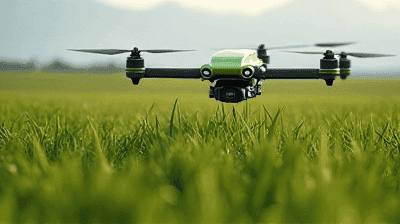
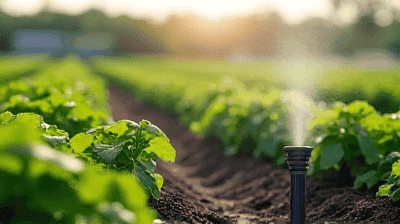
The agriculture industry is experiencing a transformative revolution fueled by advancements in technology. As the global population continues to grow, the demand for sustainable food production intensifies.
In the rapid march of modern agriculture, with its high-tech machinery and genetically modified organisms, it is easy to overlook the wisdom gained from centuries of traditional farming practices. Ancient techniques, honed over generations, have helped civilizations thrive.